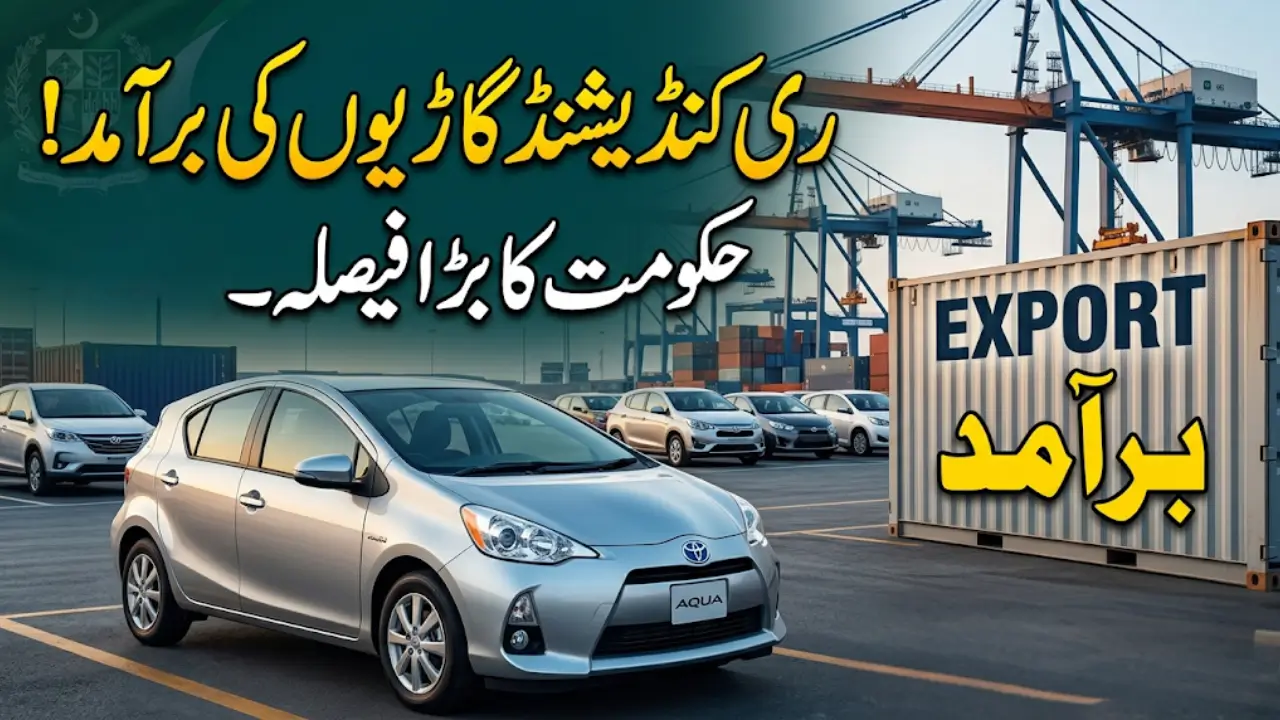
Govt May Allow Export of Reconditioned Vehicles in 2026, boosting trade, foreign earnings, and auto industry growth with new regulations and opportunities.This potential move is creating strong interest in the automobile sector, especially among importers, exporters, and local traders. If approved, it could reshape how used cars are handled in the country and open new opportunities for trade and revenue generation.
Overview of the Proposed Policy Change
The idea of exporting reconditioned vehicles refers to allowing legally imported or locally used cars to be refurbished and then sold to foreign markets. Currently, many countries restrict or tightly regulate such exports, but changing market demands and economic pressures are pushing governments to reconsider.
In 2026, this policy could help create a structured system where vehicles that are no longer efficient in the local market can still hold value internationally. This includes properly inspected, refurbished, and certified vehicles ready for export.
Why the Government is Considering Export of Reconditioned Vehicles
There are multiple economic and industrial reasons behind this potential decision. One of the main goals is to improve foreign exchange earnings by tapping into the global used car market. Many developing countries demand affordable vehicles, and reconditioned cars can fill that gap effectively.
Additionally, it may reduce pressure on local vehicle storage, reduce waste, and promote recycling in the automotive sector. The policy also aligns with broader economic reforms aimed at boosting exports and strengthening trade balance.
How the Export System May Work in 2026
If the policy is approved, a regulated framework is expected to be introduced. This may include certification processes, inspection standards, and export licensing requirements. Only vehicles meeting safety and environmental standards would be allowed for export.
Authorities may also introduce digital tracking systems to ensure transparency in the process. Exporters will likely need to register with relevant departments and follow strict documentation rules to avoid misuse of the system.
Possible Economic Impact on the Country
The introduction of reconditioned vehicle exports could bring both opportunities and challenges to the economy. While it may increase revenue, it could also affect local availability and pricing of used vehicles.
Here are some expected economic impacts:
- Increase in foreign exchange earnings through vehicle exports
- Growth in automotive refurbishment and service industries
- New job opportunities in inspection, logistics, and trade sectors
This shift may also encourage investment in car reconditioning plants and improve technical standards in the automotive market.
You Can Also Read : Apni Chhat Apna Ghar Scheme 2026
Benefits for Auto Industry and Traders
The auto industry stands to gain significantly from this policy. Car dealers and exporters will have a new legal channel to expand their business internationally. Workshops involved in repairing and upgrading vehicles may also see increased demand.
Small and medium-sized businesses could benefit the most, as they can participate in refurbishment and resale activities. Additionally, it may help reduce the informal or unregulated trade of used vehicles by bringing it under a structured system.
Latest Update Auto Policy 2026
Pakistan’s proposed Auto Policy 2026–31 may allow registered companies to import used vehicles, refurbish them locally, and re-export them to international markets. According to recent reports, this model is expected to follow Dubai’s Jebel Ali system, where vehicles are brought in only for repair and export, not for sale in the local market.
The move could help Pakistan’s auto industry attract new investment, create skilled jobs in vehicle repair and inspection, and increase foreign exchange earnings. However, the policy will need strong checks to ensure that reconditioned vehicles do not enter the domestic market illegally and that only qualified companies with proper technical and export capacity are allowed to participate.
You Can Also Read : CM Punjab Green Tractor Scheme Phase 3
Concerns and Challenges
Despite the benefits, there are some concerns that need attention. One major issue is the possibility of rising local prices for used cars if supply becomes limited. There is also the risk of poor-quality vehicles being pushed into export channels without proper regulation.
Another challenge is ensuring strict compliance with environmental and safety standards. Without proper monitoring, the system could be misused, leading to illegal exports or tax evasion.
Expected Implementation Timeline and Rules
If approved, the policy is likely to be introduced in phases during 2026. The government may first conduct pilot programs to test the system before full-scale implementation.Clear rules regarding vehicle age, condition, and inspection will be established.
Export taxes and incentives may also be adjusted to encourage legal participation while maintaining market stability.Overall, the success of this policy will depend on strong regulation, transparency, and cooperation between government bodies and the private sector.